
Why Short-Run Work Rewards Clear Communication
Short runs move more smoothly when quantities, priorities and open questions are clear before material and setup decisions are made.
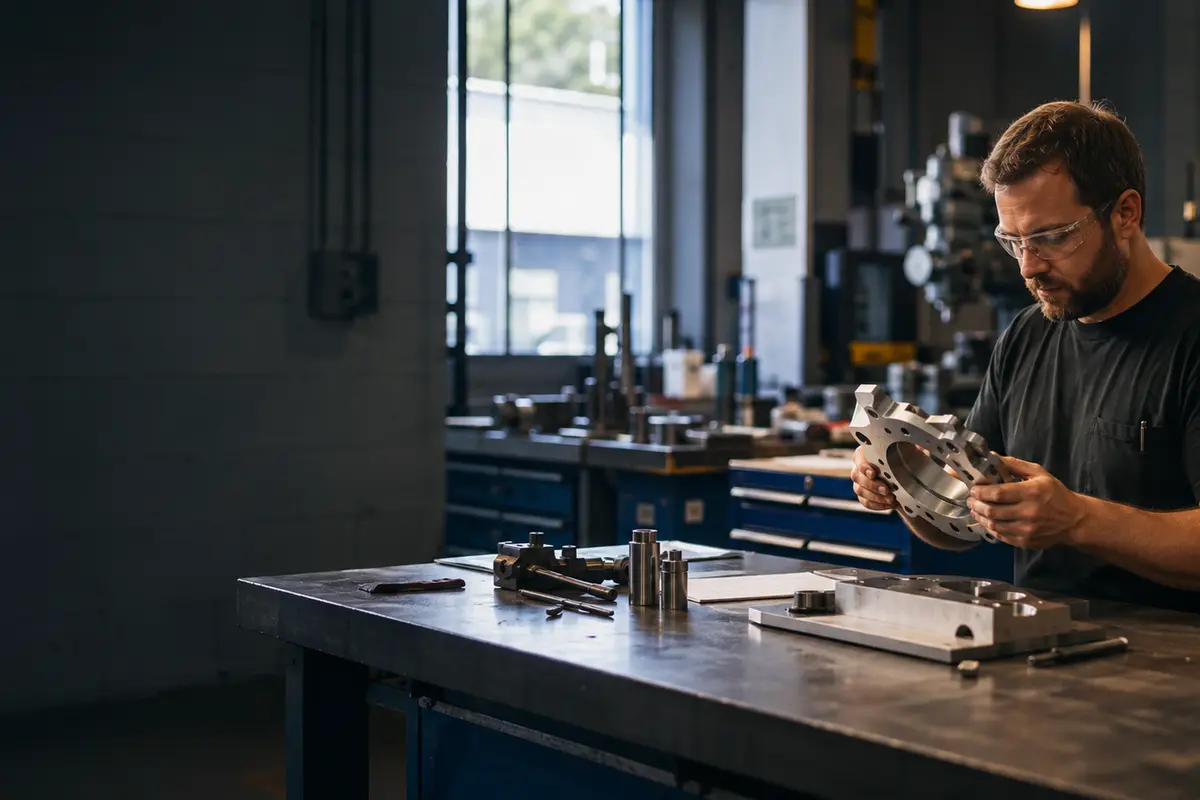
Short-run manufacturing is often described as though it were simply mass production with a smaller number at the end. In practice, the communication can matter even more because setup and decision-making are spread across fewer finished parts.
Small quantities make priorities visible
When a customer needs one part or a limited batch, there may be several reasonable ways to approach the work. The best route depends on whether the priority is proving a concept, matching an existing component, preparing for repeat orders or solving an immediate practical problem.
Stating that priority helps the shop avoid optimizing for the wrong thing. A prototype may benefit from flexibility. A recurring part may justify more attention to repeatability and documentation from the beginning.
Changes are easiest before setup
Questions about material, dimensions, edge condition, finish and inspection are inexpensive to answer early. Once work is underway, the same questions can affect material already committed and time already spent.
A clear review does not need to become a meeting-heavy process. It can be as simple as confirming the latest drawing, the quantity, the critical features and the destination of the finished part.
Good records make the next run easier
If the part is likely to be ordered again, stable drawings, revision notes and an agreed description of the finished result give both sides a stronger starting point. The next conversation can focus on what changed instead of rebuilding the history from memory.
Short-run work is at its best when the customer can speak directly about the need and the shop can respond plainly about the path forward. That relationship is one of the real strengths of an independent operation.